I want to know if justice is possible…
I want to know if justice is possible…

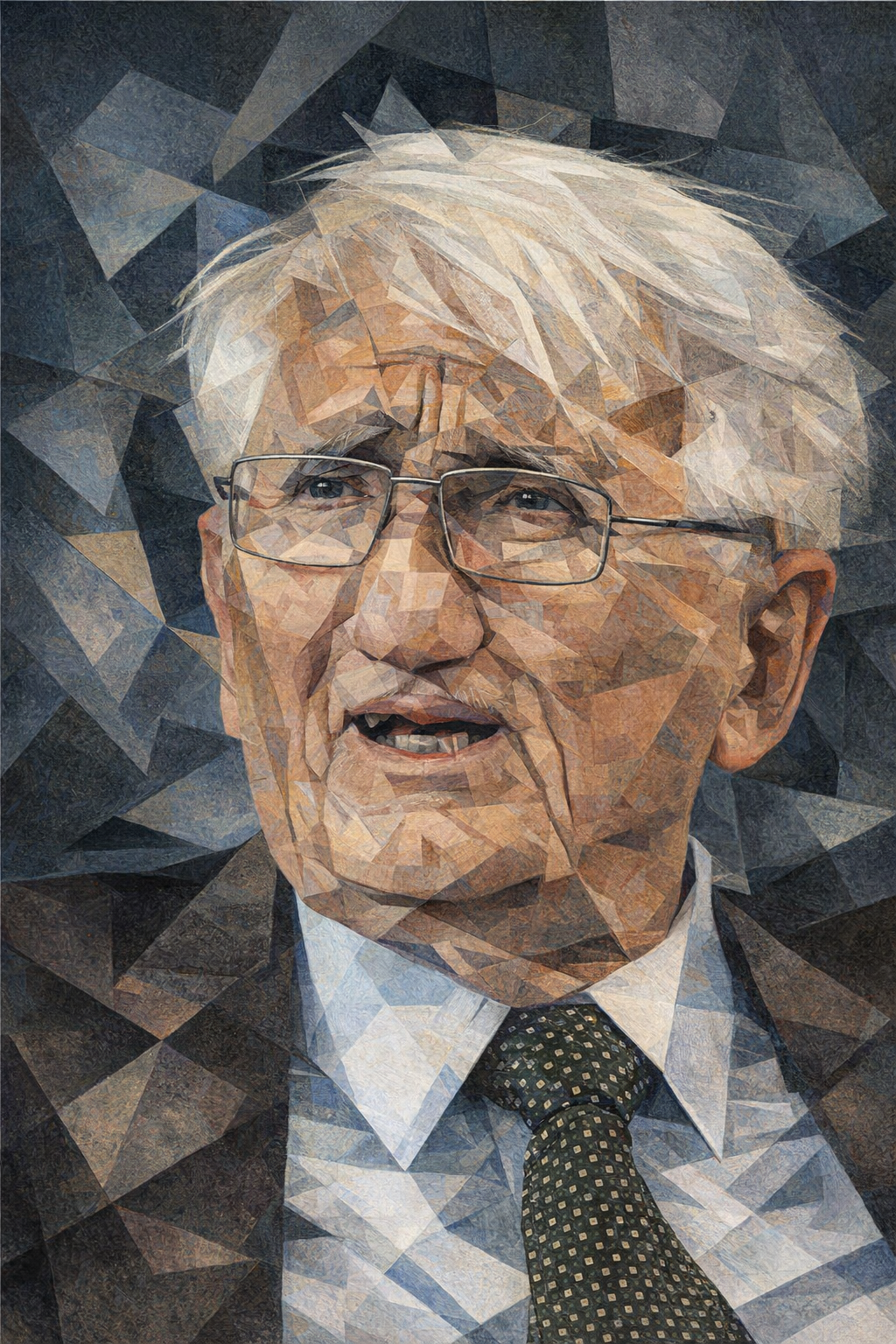
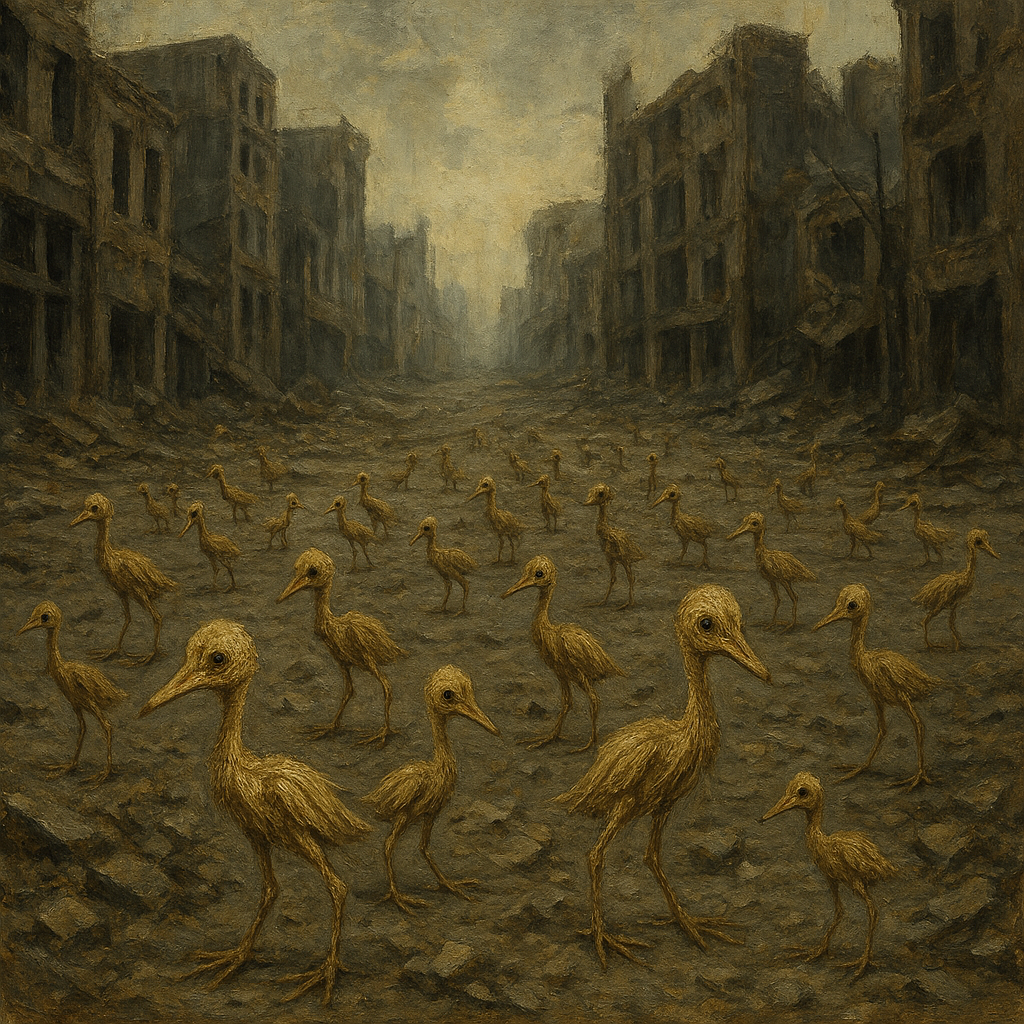
This famous verse by David Maria Turoldo introduces this brief – and certainly not exhaustive – reflection on ‘justice’, a theme that is often at the heart of debates and demands. Let us ask ourselves what the meaning of the term “justice” is in a globalised, multicultural society dominated by market forces and technology, and, above all, on what foundation can the concept of “justice” be anchored if religious and moral references are no longer valid or shared? Is a society that speaks the language of weapons just? These days, the terms most frequently heard in public debate are those relating to war, violence, the death of innocent people, and armed attacks. It seems that humanity is prey to an insatiable thirst for power and is capable only of devising plans for destruction, aggression, and the invasion of spaces belonging to others. Pope Leo XIV, too, in the Angelus on Sunday 15 March, drew attention to the “dramatic situations of injustice, violence and suffering that mark our times”.

[Read More]

Are we still human?

Until the end of the history

Are we still human?

It is always terrible to see how humanity, generation after generation, finds its greatest aspiration in war, murder, and destruction. In the annihilation of part of itself. One might say, “It’s not my fault. It’s the other who is my enemy, and therefore I must crush him like a poisonous plant.”

This is the same argument used by Cain when questioned by Yahweh after spilling Abel’s blood, who gave the surprising answer, “Who made me my brother’s keeper?”

[Read More]

The relentless cycle of pain

how many generations will have to suffer?

It seems that so-called political realism is in vogue, i.e., that there are no laws or rules to protect us, but that it is only important to know how to navigate the conflictual sea of reality, where nothing but force and power make sense. That men, after such a long journey, return to the club, the stone, and the machete is indicative of a regression to the devastating powers of instinct, but also of an intolerance towards what had been the liberal canon in recent years, made up of a dense web of rights, which, however, had been transformed into the garment that Deianira sent to Hercules, a garment soaked in the poison of Naxos. Poison that killed Heracles.

[Read More]

Artificial intelligence, a perfect false spiritual friend

What a future awaits us!

Teaching

Referring to the relationship between doctors and cancer patients, the president of the Rome Medical Association recently stated that it is “a relationship […] that becomes fundamental, and patients, especially those who have suffered from cancer, know this perfectly well. I also say this to send an important message: artificial intelligence will never be able to replace or surpass this empathetic relationship between doctor and patient. Being able to talk, caress, comfort, and have contact is very positive.”[1]

[Read More]

Memory and Conflict

Transform conflict into a foundation for resilience and unity

Resilience

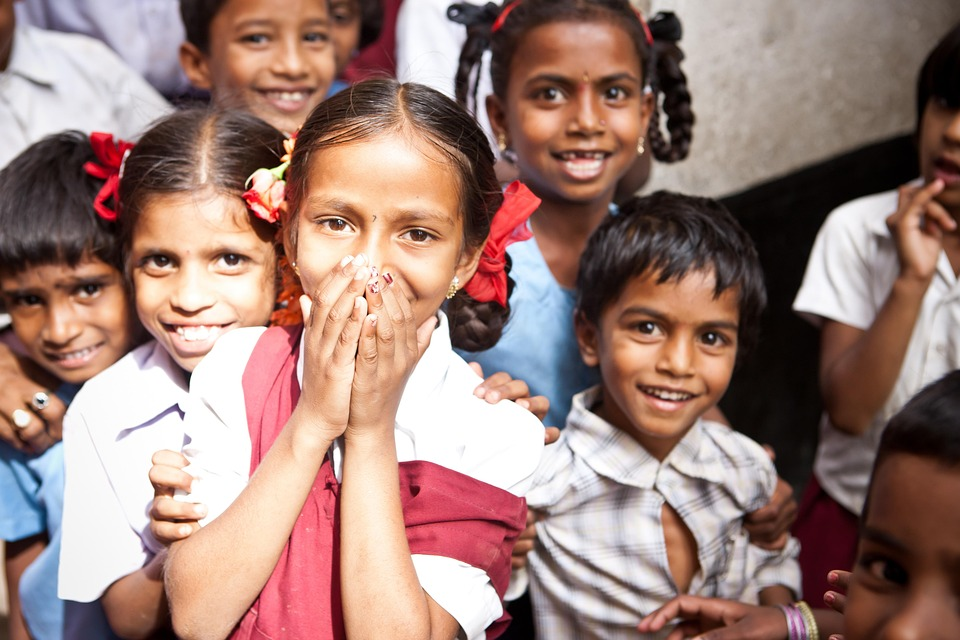
One of the most stubborn memories is conflict. Conflicts disrupt stability and leave deep physical, psychological, spiritual, and cultural scars on both the individual and the communities they belong to. In communities, these memories of conflict are perpetuated intergenerationally.

Conflicts often emerge from the ambitions and exploitation of the powerful, imposed on those with less agency. We often remember conflicts as acts of patriotic virtue—ritualized in ways that shape national and civic identity.

[Read More]

Innocence to be regained

Money won't save us

Joy

After the Second World War we witnessed the aggregation of local markets into universal markets. This trend was driven by at least two postulates: that the market for all would be the secret formula for success and that a liberal guiding nation had been given the mission from heaven to lay down the rules and set the game.

Aggregation was seen as a good thing, as progress exported to peoples who, while maintaining a certain identity of their own, finally accepted the idea that their world was not the ‘right’ one, but that what was right was aggregation behind a demigod-nation that would lead everyone to the highest peaks. So, union of markets and hegemony of a nation.

[Read More]