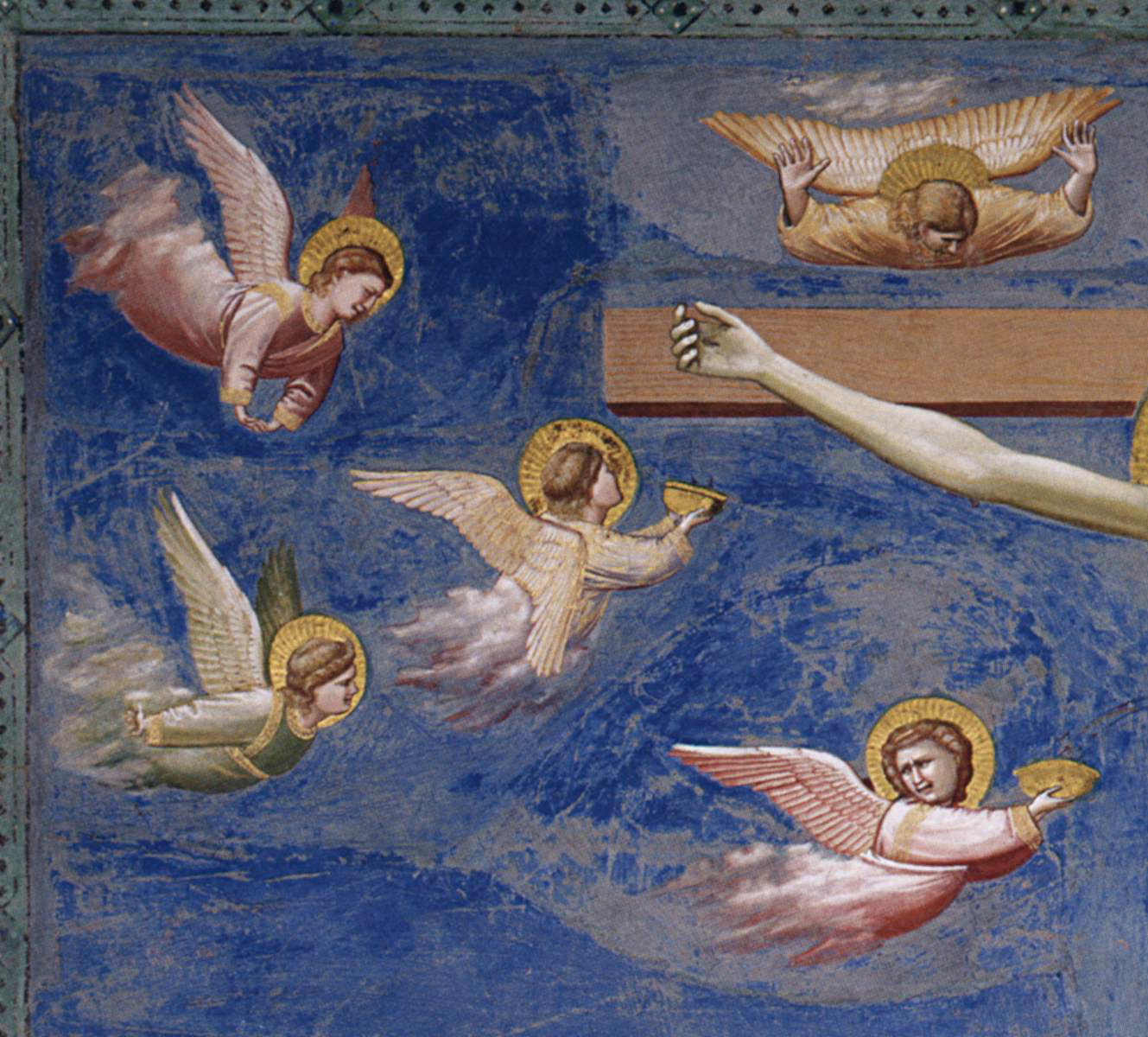
The Weight of Freedom: Freedom Emerges from the Inner Life 2

This three part series explores the historic cycles of humanity's return to a just social order and the nature and role of Freedom in Integral Development through the lens of the mystic inner life.

The Weight of Freedom: Freedom Emerges from the Inner Life 2

This three part series explores the historic cycles of humanity’s return to a just social order and the nature and role of Freedom in Integral Development through the lens of the mystic inner life. The first parte in “Essays”

Part II: Freedom Emerges from the Inner Life

Divine design shows us that Freedom is not an a priori condition, but an emergent condition. True Freedom is not a political right granted by a state document, but a spiritual byproduct of a soul coming into purity and alignment with the Divine Design. Freedom, in the divine order, is rather the effect, or the resultant state, of the interior life of prayer, meditation, and union with the Creator. It is the emergent state of a mind in habit of contemplation of Jesus Christ, who is the perfect reflection and living expression, in complete oneness with God the Father. This contemplation of the pure love of Christ for the Father, in turn purifies the interior state of the thoughts of the mind and aims the will toward the desires of God the Father. This contemplation returns our gaze to the Source of Light–whereas, in contrast, humanistic Enlightenment thinking focused our gaze on the outer reaches of any ray of light we so chose to follow away from the Source. Hence the rise of our cancerous multiplicity,1 which of course, we were free to follow.

[Read More]
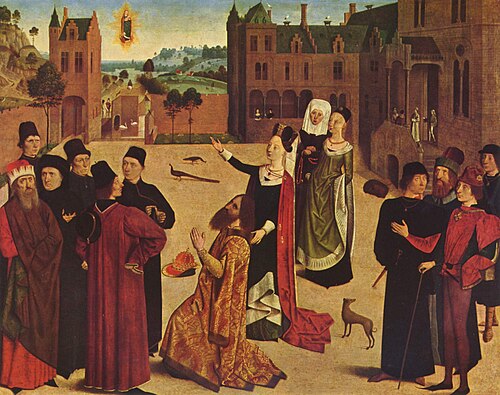
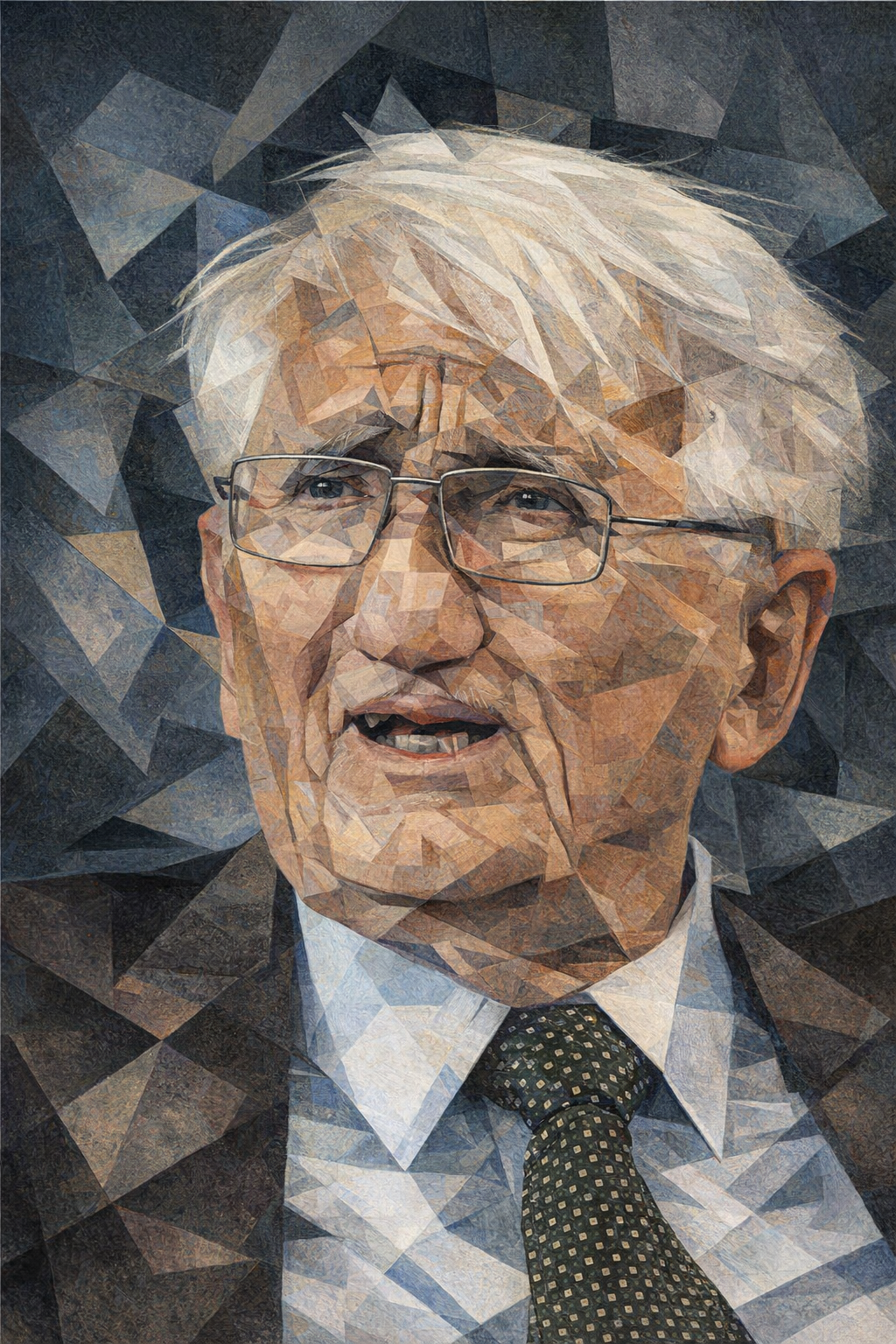
The Weight of Freedom

This three part series explores the historic cycles of humanity's return to a just social order and the nature and role of Freedom in Integral Development through the lens of the mystic inner life.

The Weight of Freedom

Part I
The Return of Astraea: Divine Justice Anew
Everywhere we are now witnessing the collapse of the ideals of liberal democracy, and the rise and normalization of authoritarian rule. It appears that “the new order for the ages” has become old, and is soon to pass away. As liberal democracy falters, we look on in fear and question: Is this the end of human civilization? Is this the failure of the project of Integral Development? And rightly, we question: where did we go wrong? Let us not despair. Rather, let us recall that the promise etched into the Great Seal of the United States, Novus Ordo Seclorum,1 was adopted from the Roman poet Virgil when he wrote in 40 BC, “Magnus ab integro saeclorum nascitur ordo,”2 meaning, “The great order of the ages is born afresh,” or as others translate, “A great cycle of ages is born anew.”

When the world order that Virgil knew was collapsing, he was writing about a promise as he watched the Roman civil wars rip the empire apart. At this moment in human history, where all order is being upended, Virgil is both mourning a great loss and prophesying a new birth. For everything that begins, is born from the death of the last thing that had once also been the promised new beginning. Instead of the demise of a cherished world order, it is the phoenix rising from the ash that Virgil sets his eyes upon. It is precisely from this focus that he told a prophecy of a miraculous child that would usher in a Golden Age, a return of justice as Astraea, the goddess of justice, would return a peaceful, ancient reign of Saturn.

When Virgil in Eclogue IV heralds, “Now returns the virgin, returns the reign of Saturn. Alas, Astraea is descending back to Earth!” 3 Virgil was not focused on the ending. He was focused on a new beginning. Indeed, in the coming years, under Augustus’ new imperial rule, Rome witnessed justice and a golden age of peace was, at least for the time of the Flavian Dynasty, restored to the early Roman Empire. We can see this same promise of the return of peace after the great upheavals caused by Reformation, as Queen Elizabeth used Astraea imagery to indicate that she was the reincarnation of the star-maiden destined to bring divine justice to Britain.4

[Read More]

I want to know if justice is possible…

I want to know if justice is possible…

This famous verse by David Maria Turoldo introduces this brief – and certainly not exhaustive – reflection on ‘justice’, a theme that is often at the heart of debates and demands. Let us ask ourselves what the meaning of the term “justice” is in a globalised, multicultural society dominated by market forces and technology, and, above all, on what foundation can the concept of “justice” be anchored if religious and moral references are no longer valid or shared? Is a society that speaks the language of weapons just? These days, the terms most frequently heard in public debate are those relating to war, violence, the death of innocent people, and armed attacks. It seems that humanity is prey to an insatiable thirst for power and is capable only of devising plans for destruction, aggression, and the invasion of spaces belonging to others. Pope Leo XIV, too, in the Angelus on Sunday 15 March, drew attention to the “dramatic situations of injustice, violence and suffering that mark our times”.

[Read More]

Law as Social Software

Justice and Order

The ordinary person, the one who is not an expert and has not studied the “sacred texts” of law believes that the essence of the law is justice. Concept that seems self-evident.

Of course, people know that there can be problems. Corrupt judges or politicians can use the law to commit injustice, and use their power for sleazy self-interest. But this only indicates a disease, a pathology of the system.

[Read More]